

world’s largest banks of malware: hard drives stacked
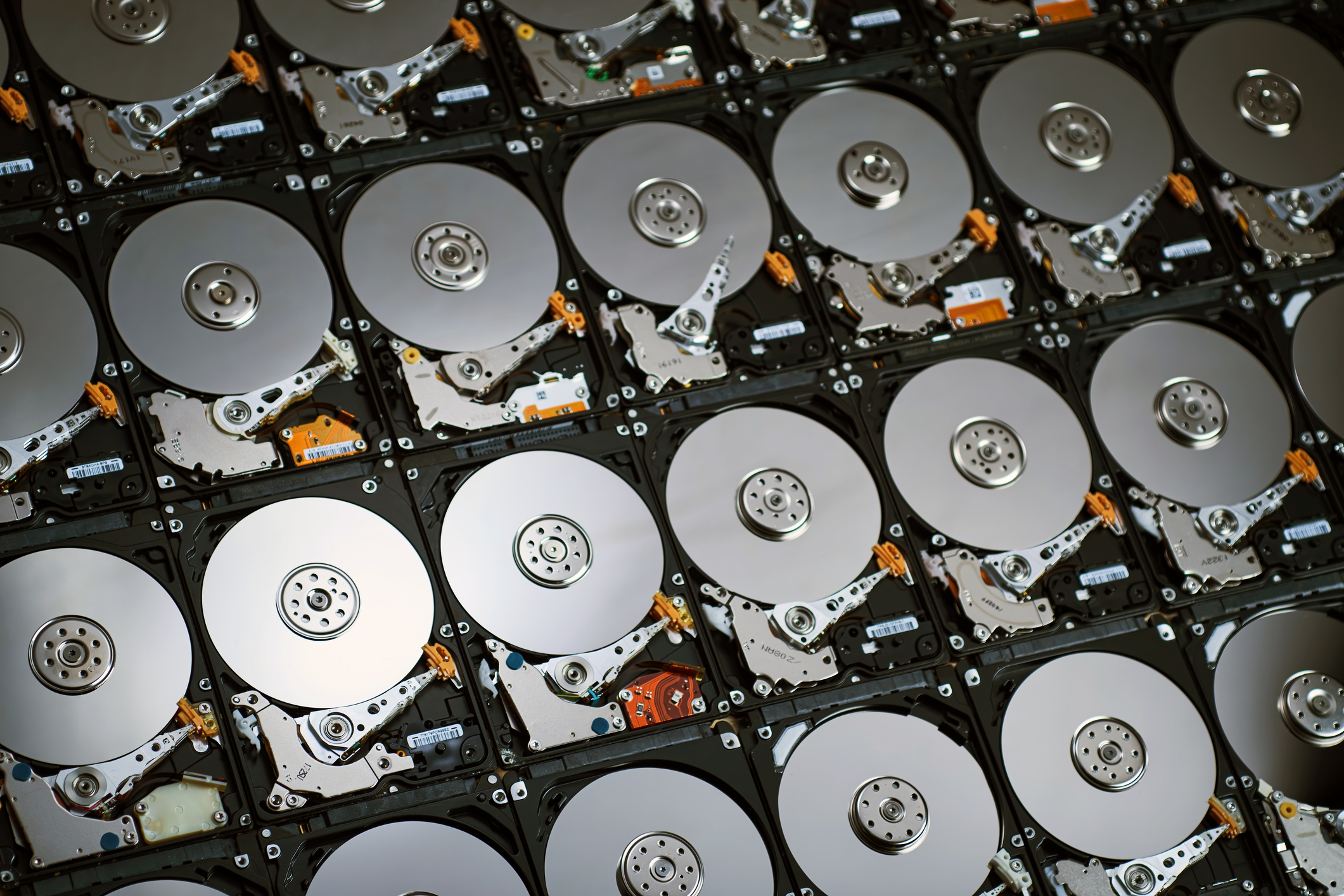
malware hard drives have become a significant topic in cybersecurity circles worldwide. These drives often store vast amounts of potentially dangerous and informative code.
Cybersecurity researchers use malware hard drives to analyze threats and learn from past attacks. For example, vx-underground claims its database totals nearly 30 terabytes of collected malware code.
malware hard drives
Additionally, VirusTotal’s founder reported their users have contributed about 31 petabytes in malware samples. This is a staggering scale, as one petabyte equals around 1,000 terabytes.
Consequently, if you stacked 1-terabyte malware hard drives, vx-underground would need 30 drives, reaching about 2.5 feet high. That’s the height of a small table, as https://techcrunch.com/2026/05/13/this-is-what-some-of-the-worlds-largest-banks-of-malware-look-like-stacked-as-hard-drives/ (“original source”) explains.
However, VirusTotal’s malware hard drives would require 31,744 drives to store all their data. That stack would stretch around 2,645 feet, which is higher than the Eiffel Tower and just below the Burj Khalifa.
For context, malware hard drives on this scale help train AI models and strengthen global security. Therefore, their size and value cannot be overstated for the cybersecurity community.
You can see a visualization comparing the height of these malware hard drives stacks to famous landmarks at TechCrunch.
Tags: malware hard drives, malware databases, cybersecurity data storage, malware samples collection, malware analysis drives, threat intelligence storage, stacked hard drives, cyber attack research