


Microsoft’s Nadella wants us to stop thinking of AI as ‘slop’
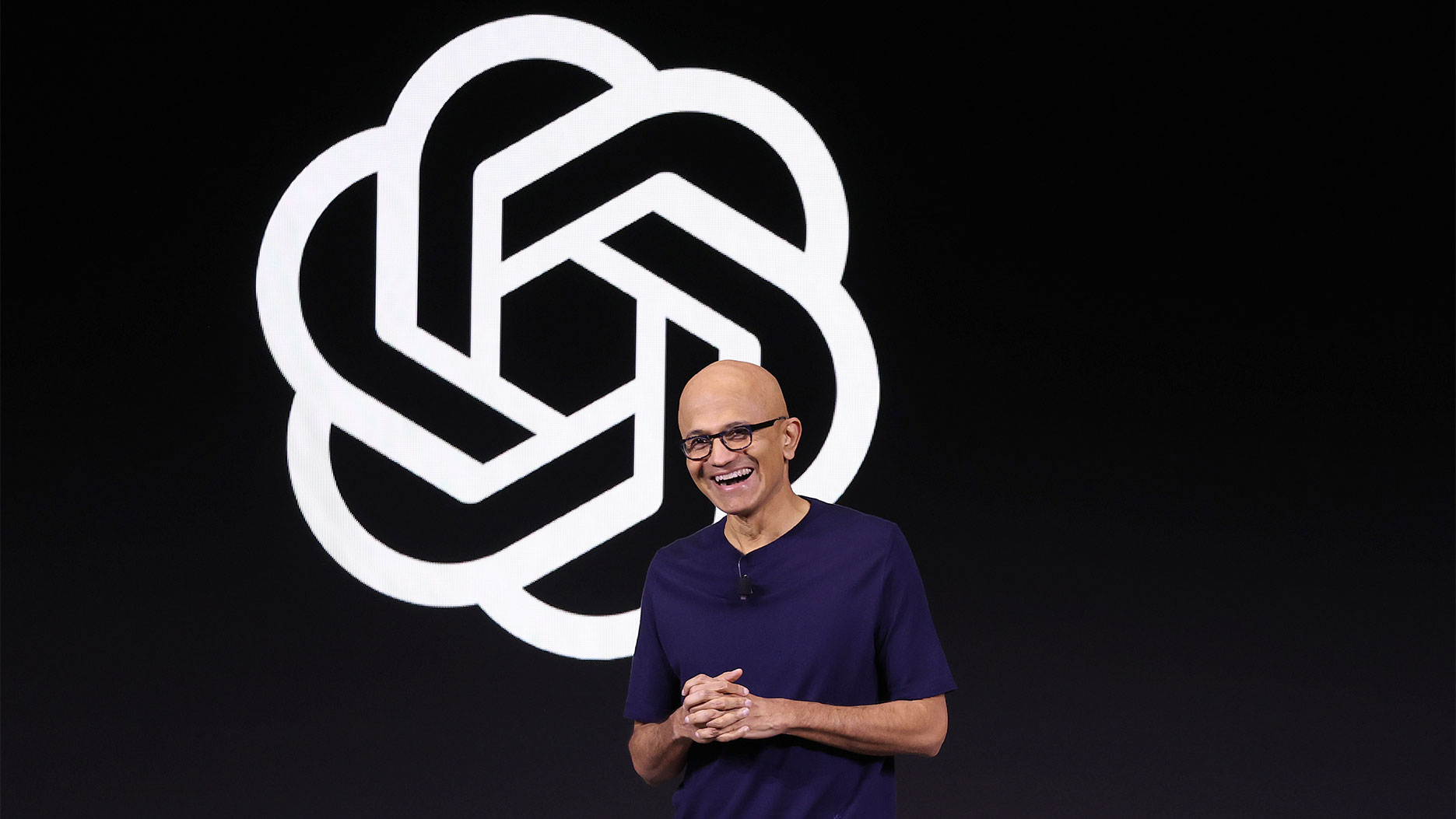
A couple of weeks after Merriam-Webster named “slop” as its word of the year, Microsoft CEO Satya Nadella weighed in on what to expect from AI in 2026. In his classic, intellectual style, Nadella wrote on his personal blog that he wants us to stop thinking of AI as “slop” and start seeing it as “bicycles for the mind.” He suggested AI should be viewed as scaffolding for human potential, not a substitute.
He emphasized that it’s necessary to move past the arguments of slop versus sophistication and develop a new equilibrium in our “theory of the mind.” According to him, we must recognize that humans are now equipped with cognitive amplifier tools when relating to each other. Nadella is urging everyone to move away from the belief that AI-generated content is “slop.” Instead, the tech industry should stop talking about AI as a replacement for humans and start considering it as a productivity tool that helps humans.
AI’s Impact on Employment
Here’s the problem, however: Many AI agent marketing messages often highlight the idea of replacing human labor as a way to justify costs. Simultaneously, some of the biggest names in AI are warning that technology will soon cause high levels of unemployment. For instance, Anthropic CEO Dario Amodei warned that AI could take away half of all entry-level white-collar jobs, potentially increasing unemployment to 10-20% over the next five years. He repeated this concern recently on 60 Minutes.
Despite such warnings, we don’t yet know how accurate these predictions are. As Nadella implies, most AI tools today supplement workers and are not full replacements—as long as humans are willing to verify AI’s output for accuracy. One important research study comes from MIT’s ongoing Project Iceberg, which measures the economic impact of AI on jobs. The project estimates that AI is currently capable of performing about 11.7% of human paid labor. Although this is often interpreted as AI being capable of replacing nearly 12% of jobs, Project Iceberg really measures how much of a job can be offloaded to AI, along with the wages for that work. Examples include automated paperwork for nurses and computer code written by AI.
It’s important to note that some jobs are being heavily impacted by AI, such as corporate graphic artists, marketing bloggers, and new-grad junior coders. But it’s equally true that highly skilled artists, writers, and programmers produce better work with AI than those without these skills. So, AI can’t completely replace human creativity yet.
AI Adoption and Future Trends
As we enter 2026, data suggest jobs most affected by AI are actually flourishing. According to Vanguard’s 2026 economic forecast, “the approximately 100 occupations most exposed to AI automation are actually outperforming the rest of the labor market in terms of job growth and real wage increases.” This means professionals who use AI effectively are making themselves more valuable, not more replaceable.
Interestingly, Microsoft’s actions last year reinforced the narrative of AI threatening jobs. The company laid off over 15,000 people in 2025, even as it reported record revenues and profits, citing AI success as a factor. Nadella wrote a public memo about these layoffs but didn’t attribute them directly to AI efficiency. Instead, he explained the need to reimagine Microsoft’s mission for a new era, identifying “AI transformation” as one of three major objectives.
However, the reality about job loss attributed to AI in 2025, as the Vanguard report notes, is more nuanced. Layoffs had more to do with standard business strategies, like shifting investments, instead of AI-driven efficiency gains. Microsoft wasn’t alone; research from Challenger, Gray & Christmas cited almost 55,000 tech layoffs in the US in 2025 at companies chasing AI innovation.
On another note, while many lament the rise of “slop” in AI-generated content, there are those who find entertainment value in AI’s output, especially on social media filled with memes and videos. In some ways, “slop” might be one of AI’s most amusing uses yet.
Tags: Satya Nadella, inteligjenca artificiale, tregu i punës, automatizimi, Microsoft, punësimi