

Sauron, the high-end home security startup for ‘super premium’ customers, plucks a new CEO out of Sonos
When Kevin Hartz’s security system failed to alert him as an intruder rang his doorbell and tried to enter his San Francisco home late one night, the serial entrepreneur decided existing solutions weren’t good enough. His co-founder Jack Abraham had experienced similar frustrations at his Miami Beach residence.
In 2024, they launched Sauron (https://www.sauron.systems/) — named after the sinister, all-seeing eye from “The Lord of the Rings” — to build what they envisioned as a military-grade home security system for tech elites. The concept quickly resonated in Bay Area circles, where crime remained a constant topic during and after the pandemic, even if San Francisco Police Department statistics showed that property crime and homicide rates declined last year. The startup raised $18 million from high-profile executives and investors, including those from Flock Safety, Palantir, 8VC, Atomic, and A*. Sauron emerged from stealth a year ago, promising a launch in the first quarter of 2025 with a system that combined AI-driven intelligence, advanced sensors like LiDAR and thermal imaging, and 24/7 human monitoring by former military and law enforcement personnel.
Strategic Shifts and Development Delays
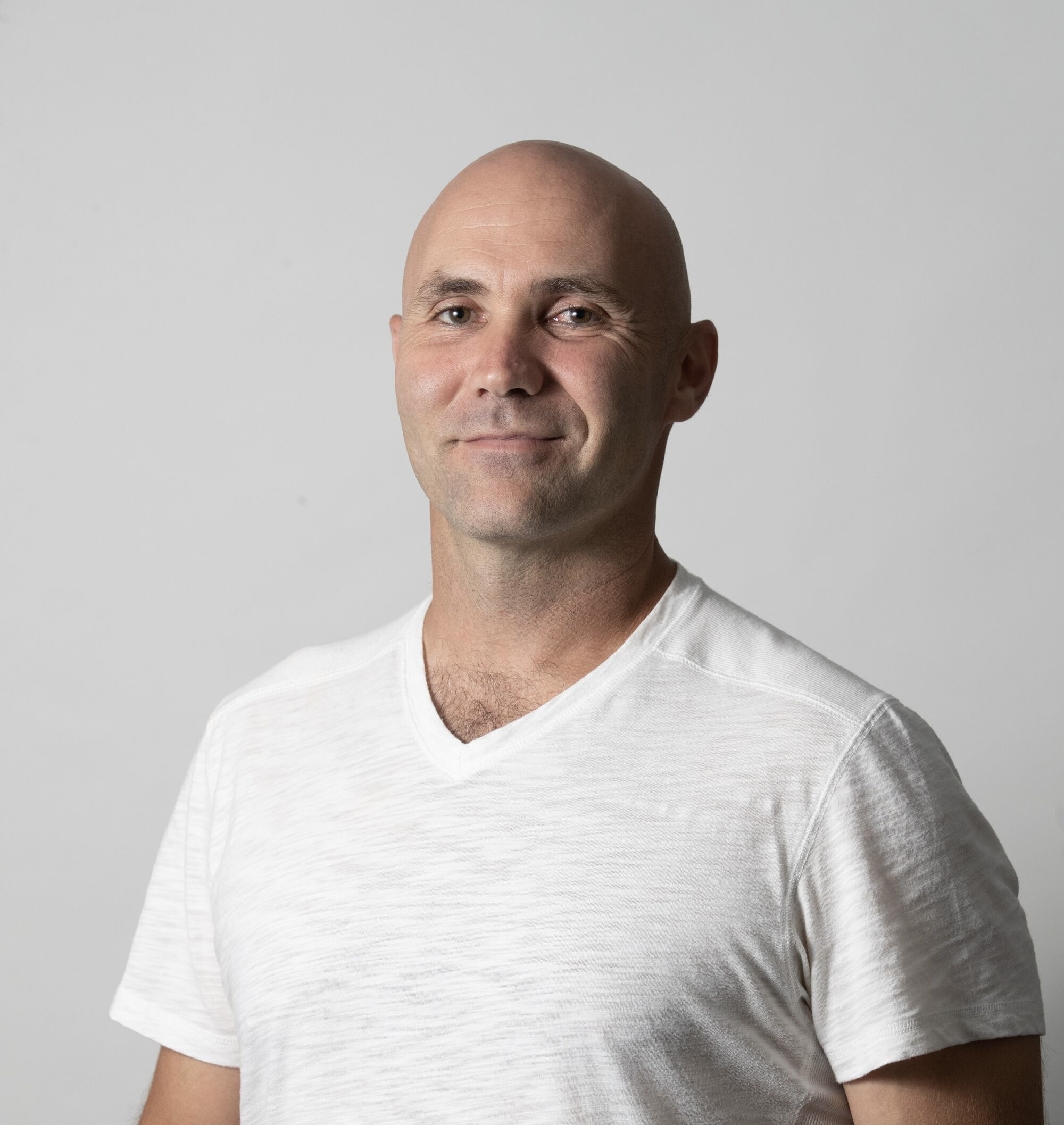
A year later, Sauron is still in development mode — a fact that its new CEO, Maxime “Max” Bouvat-Merlin, acknowledged in a recent interview with TechCrunch. After nearly nine years at Sonos, including as chief product officer, Bouvat-Merlin took the helm at Sauron just last month. He’s currently finalizing major questions: which sensors to deploy, how the deterrence system will function, and realistic timelines to get products into customers’ homes.
Despite their earlier plan to launch in the first quarter of 2025, Sauron’s product will reach customers later in 2026 at the earliest. “We’re in the development phase,” Bouvat-Merlin explained. Sauron’s approach involves bringing various components together: a concierge service, AI software on servers, and smart cameras — forming a phased go-to-market plan that was developed recently.
Bouvat-Merlin sees parallels between Sauron and Sonos, as both companies started by focusing on affluent clients, relying on word-of-mouth growth and combining complex hardware with advanced software. Like Sonos, Sauron faces decisions such as whether to begin with super-premium or mass-premium customers, choose professional installation or DIY, and build in-house or partner strategically.
The Product, Challenges, and Future Prospects
Bouvat-Merlin was attracted by Sauron’s mission and the opportunity to solve a real security problem for customers. He noted that leaders in premium home security have small market shares and poor customer satisfaction. “There are too many false positives, so police often ignore alarms, assuming they are false,” he said. Sauron targets customers for whom safety and security are top concerns and plans to build its reputation within this premium segment before expanding further.
The product starts with camera pods containing multiple sensors — potentially up to 40 cameras, with LiDAR, radar, and thermal options. These connect to server-based machine learning software, linking to a 24/7 concierge staffed by former military and law enforcement personnel who can detect unusual patterns and help train the AI.
While the deterrence aspect is still being defined, possible features include loudspeakers, flashing lights, and other active responses. Crucially, Sauron emphasizes early detection — not just when someone is on the property, but during surveillance activities, like cars circling a block repeatedly. On the subject of drones, Bouvat-Merlin mentioned they are part of a broader roadmap, but concrete plans are not divulged given the startup’s current size.
Sauron, with fewer than 40 employees, plans to hire 10 to 12 more in 2026 and begin working with early adopters later that year. A Series A fundraising round is anticipated mid-2026, which will support launching their first complete product and expanding customer adoption. Their initial growth strategy depends on word of mouth, later evolving as their reputation grows.
Bouvat-Merlin is cautious about rapid scaling, instead prioritizing sustainable growth and premium service. He intends to manage growing pains effectively, always aiming for profitability.
Concerns regarding privacy and surveillance are significant for Sauron’s market. The company envisions a trust-based system, where homeowners explicitly grant access. Facial recognition and license plate detection are being considered to help the system differentiate between trusted individuals and potential threats. Bouvat-Merlin underlined Sauron’s competitive angle: unlike traditional security companies trying to add tech, they are a tech startup introducing new technology to the security market.
Sauron is launching as rising crime anxiety sweeps through wealthy communities, especially after high-profile robberies involving tech executives. The company must finalize key details like sensor configurations and manufacturing locations, initially preferring U.S. production for quality control before possibly shifting to more scalable sites abroad. They also face the challenge of serving both sprawling estates and dense urban residences, while maintaining a premium experience.
Currently, Bouvat-Merlin’s focus is on listening to his team, building credibility, and executing the new strategy. “I don’t demand that people trust me — I want to show them why they should.” More details about Sauron’s product and approach are expected to emerge in the coming year.
Tags: siguri shtëpie, teknologji premium, inteligjencë artificiale, startup sigurie, investime teknologjike, privatësi dhe monitorim