


Sauron, the high-end home security startup for ‘super premium’ customers, plucks a new CEO out of Sonos
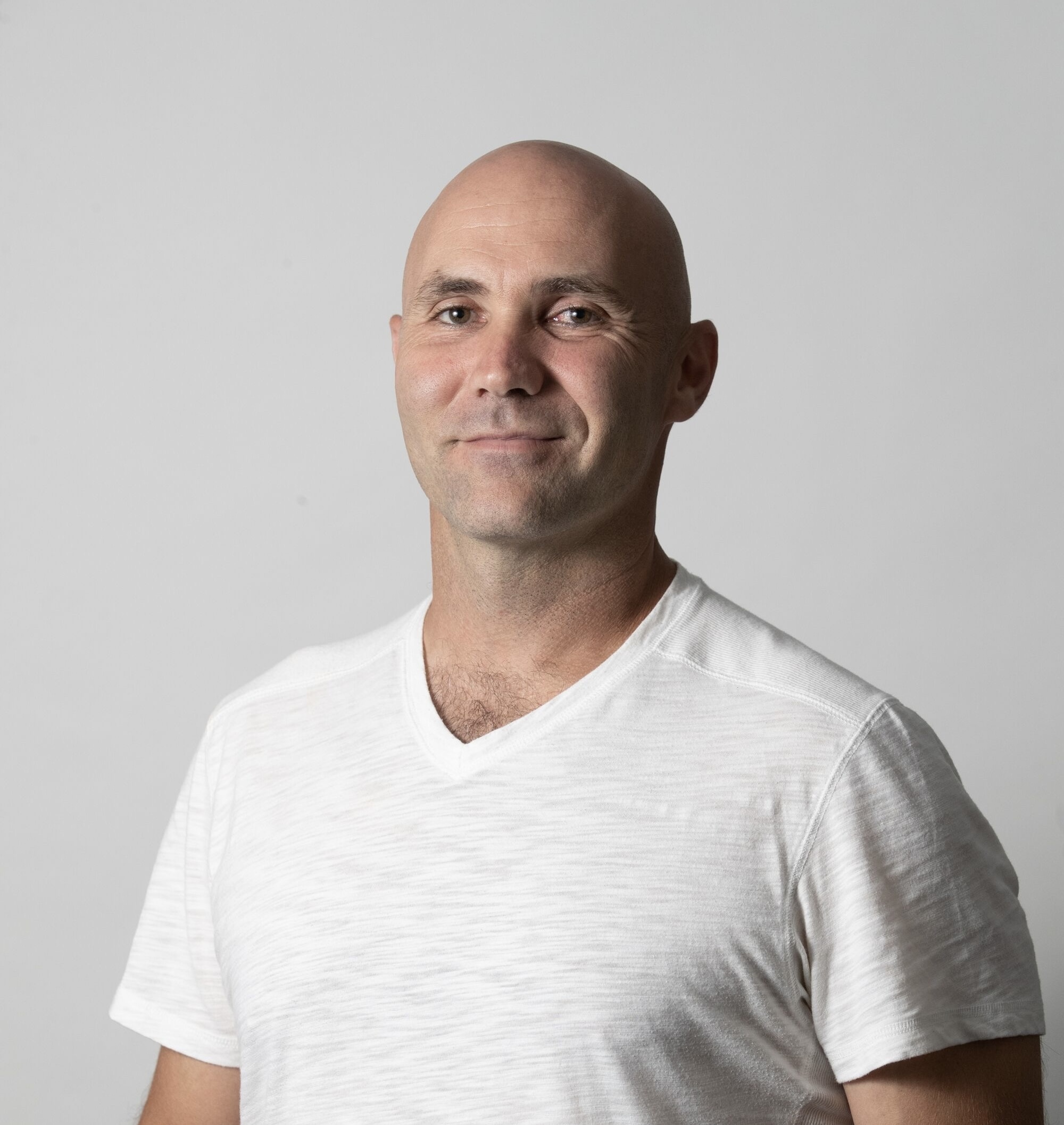
When Kevin Hartz’s security system failed to alert him as an intruder rang his doorbell and tried to enter his San Francisco home late one night, the serial entrepreneur realized that existing solutions weren’t good enough. His co-founder Jack Abraham had even experienced similar frustrations at his Miami Beach residence. In 2024, they launched Sauron — named after the all-seeing eye from “The Lord of the Rings” — to create what they envisioned as a military-grade home security system for the tech elite. This concept resonated in Bay Area circles, especially as crime had become a major topic during and after the pandemic, even as San Francisco Police Department statistics showed property crime and homicide rates declining last year.
The startup secured $24 million from executives behind Flock Safety and Palantir, defense tech investors like 8VC, Abraham’s Atomic lab, and Hartz’s investment firm A*. Sauron emerged from stealth one year ago, promising a 2025 launch of a system that combined AI-driven intelligence, advanced sensors like LiDAR and thermal imaging, and 24/7 human monitoring by former military and law enforcement personnel. However, even after a year, the company is still in the development phase, a reality that the newly appointed CEO, Maxime “Max” Bouvat-Merlin, openly acknowledged during a recent interview.
The Security Problem and Sauron’s Unique Approach
After nearly nine years at Sonos, including as chief product officer, Bouvat-Merlin took over Sauron’s leadership. Early on, he began finalizing pivotal questions: Which sensors make sense, how should the deterrence system operate, and when can products realistically reach customers’ homes? The new timeline means that Sauron likely won’t launch until late 2026.
According to Bouvat-Merlin, Sauron is now moving forward with a phased approach. All key components — concierge service, AI software, and intelligent cameras — are being built as foundational parts of the plan. He also noticed similarities between Sauron and Sonos: both companies target wealthy early adopters, prioritize complex hardware paired with advanced software, and rely on word-of-mouth growth. The strategic questions remain the same: Should they start with super-premium or mass premium customers? Should they offer professional installation or DIY options? Is it best to build everything in-house or partner with an existing ecosystem?
Bouvat-Merlin says he was attracted to Sauron by its mission and the chance to address real customer problems. Most premium home security leaders have small market shares and negative Net Promoter Scores, because too many false alarms leave law enforcement slow to respond. Sauron’s target customers are “where safety and security is a major concern,” aiming to serve the premium segment first and later grow into the “mass premium” market.
The Sauron product remains a work in progress. At the core are camera pods equipped with multiple sensors — up to 40 cameras, with options for LiDAR, radar, and thermal imaging. These pods are connected to servers running machine learning software for computer vision, supported by concierge monitoring from staff with law enforcement or military backgrounds. These professionals help train the AI to detect suspicious behaviors, constantly improving the system. The specifics of the deterrence features are still evolving but may include loudspeakers and flashing lights. Importantly, Sauron aims to deter intruders before they enter, detecting surveillance and other suspicious activity at early stages.
Although there were early discussions about incorporating drones, Bouvat-Merlin says this conversation remains on the roadmap and the focus is currently on growing the ecosystem through partnerships rather than building every element from scratch.
Business Model, Timeline, and Privacy Considerations
With fewer than 40 employees, Sauron expects to hire just 10 to 12 more people in 2026, and begin working with early adopters later the same year. They have a Series A fundraising round scheduled for mid-year, aimed not out of necessity but as a means to accelerate growth, launch the first full product, and build customer adoption. Already, Sauron has attracted a list of prospective clients and expects word-of-mouth to drive initial traction.
Despite the excitement, Bouvat-Merlin is committed to sustainable growth, maintaining premium service, and managing growing pains without sacrificing quality or profitability.
Of course, surveillance-heavy solutions raise significant facial recognition and privacy concerns. Sauron’s trust-based model would allow homeowners to grant access to specific people. For example, once someone is given access, the system recognizes and welcomes them; everyone else is treated as an unknown. License plate recognition could help flag suspicious vehicles, and a trained team will help the machine learning component mature further.
Bouvat-Merlin believes Sauron’s roots as a technology-first company are key to its innovation. Instead of retrofitting technology onto legacy security solutions, they are approaching the market from a fresh perspective rooted in the Bay Area’s startup ecosystem.
Sauron’s entrance comes at a time when the wealthy feel heightened anxiety. One high-profile robbery in the Bay Area, involving violence and the theft of $11 million in cryptocurrency, is an example of rising concerns. “We see anxiety from prospective clients who are eager to get their homes secured,” Bouvat-Merlin admits. However, many uncertainties remain, from sensor configurations to manufacturing plans and how to adapt the service to estates with perimeters or dense city homes.
For now, Bouvat-Merlin is focused on building trust within his team, listening, and finalizing Sauron’s evolving strategy. More details about the product are expected in the coming year.
Tags: siguri në shtëpi, klientë premium, inteligjencë artificiale, sensorë të avancuar, startup teknologjik, privatësi dhe monitorim