


The pope’s AI encyclical isn’t really about AI
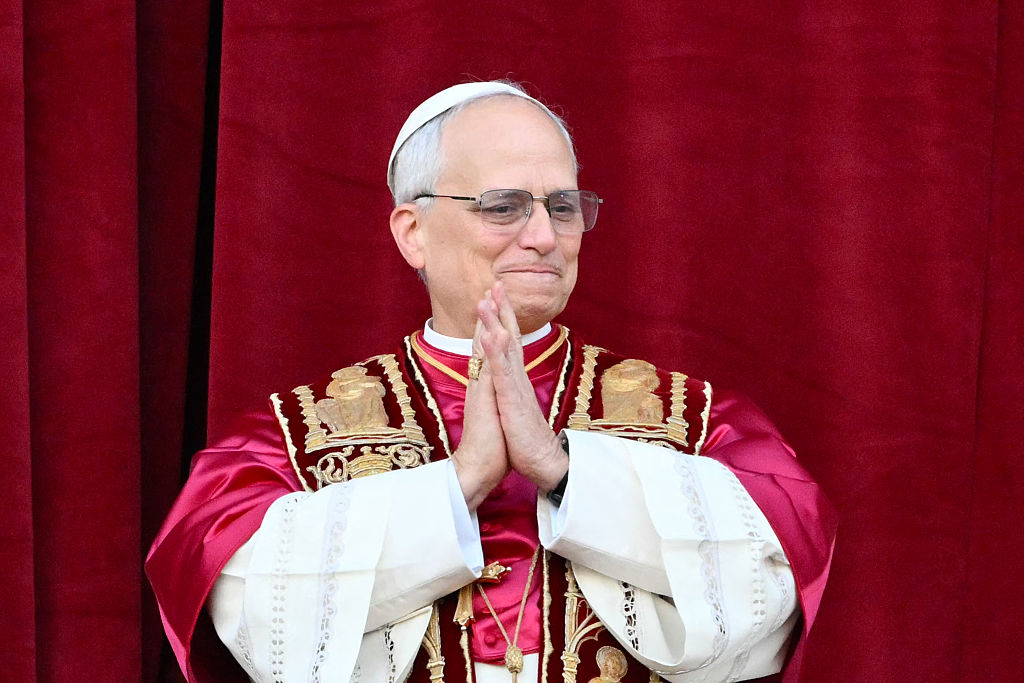
Pope Leo XIV Publishes Encyclical on AI and Human Dignity
Pope Leo XIV published his first encyclical, Magnifica Humanitas, on Monday. The document focuses on safeguarding the human person in the age of artificial intelligence. Although AI is at the center, the encyclical delves into broader and older issues: inequality, war, the erosion of democracy, and the dangerous concentration of power among those who may not have humanity’s best interests at heart. Notably, Pope Leo presented the document with Chris Olah, co-founder of the AI company Anthropic, emphasizing the connection between contemporary technological challenges and timeless moral questions.
Risks of Power Concentration in the AI Era
The 200-page encyclical argues that technology governed by a small elite cannot genuinely serve the common good. When power is controlled by only a few, the pope warns, it tends to become opaque and avoid public oversight. This increases the risk of unequal development, new dependencies, and further exclusions. According to Leo, “AI tends to amplify the power of those who already possess economic resources, expertise, and access to data.” As a result, elites may gain even more control to shape public information, influence democratic processes, and manipulate economic dynamics for their own advantage.
Interestingly, the encyclical was published just days after President Donald Trump delayed signing an executive order on AI, which would have expanded government oversight for new AI models. The delay reportedly occurred at the request of venture capitalist David Sacks, a former White House AI advisor. Pope Leo calls for AI development to be guided by clear criteria and effective oversight, grounded in the participation of those communities most affected. He argues against the ongoing AI arms race, which pushes companies and nations to create more powerful algorithms and larger datasets in a quest for dominance.
“To disarm means discrediting the assumption that technical power automatically confers the right to govern,” Leo writes.
Historical Parallels and the Need for Oversight
These dynamics of power concentration do not begin with AI. In 1891, Pope Leo XIII addressed similar concerns regarding industrialization in his encyclical Rerum Novarum. Today, the pope’s message is just as relevant. He points to recent events, like Elon Musk’s acquisition of Twitter and his influence on US elections, as well as the flow of money from tech elites into political action committees attempting to block AI regulation. These examples demonstrate the urgency Pope Leo feels about addressing old issues in a new technological context.
The seriousness of today’s challenges is highlighted by Notre Dame Law School professor Paolo Carozza, who serves on both the Pontifical Academy of Social Sciences and the Meta Oversight Board. Carozza warns that AI-driven misinformation and deepfakes “corroded our capacity to recognize what’s true and what’s not,” which threatens democratic integrity. He also notes the tech industry’s harvest and manipulation of human data as a “fundamental challenge to cognitive freedom.”
Ultimately, Magnifica Humanitas calls for ethical oversight and meaningful participation from all sectors of society, reminding us that, even as technology evolves, the core issues facing humanity persist. Addressing these challenges requires vigilance, inclusivity, and a commitment to the common good.
Tags: inteligjenca artificiale, Papa Leo XIV, pabarazi dhe demokraci, përqendrimi i pushtetit, mbikëqyrje e teknologjisë, etikë dhe të drejtat njerëzore